
Digital Forensics vs Traditional Forensic Science: Which Certification Path Is Right for Your Career?
Forensic science has expanded far beyond the crime lab. Where investigators once relied almost entirely on fingerprints, blood samples, and ballistics, today's cases just as often hinge on a deleted email, a wiped hard drive, or a trail of login timestamps. This shift has created two distinct but overlapping career tracks: traditional forensic science and digital forensics. Both fields investigate crime and resolve disputes, but they require very different skill sets, training paths, and certifications. If you are deciding where to invest your time and money for professional certification, understanding these differences is the first step toward making a confident, career-aligned choice.
Understanding the Two Disciplines
At a glance, both fields sound similar because they share the same end goal: producing evidence that holds up in court or in an internal corporate investigation. The methods, tools, and daily work, however, look almost nothing alike.
What Traditional Forensic Science Covers
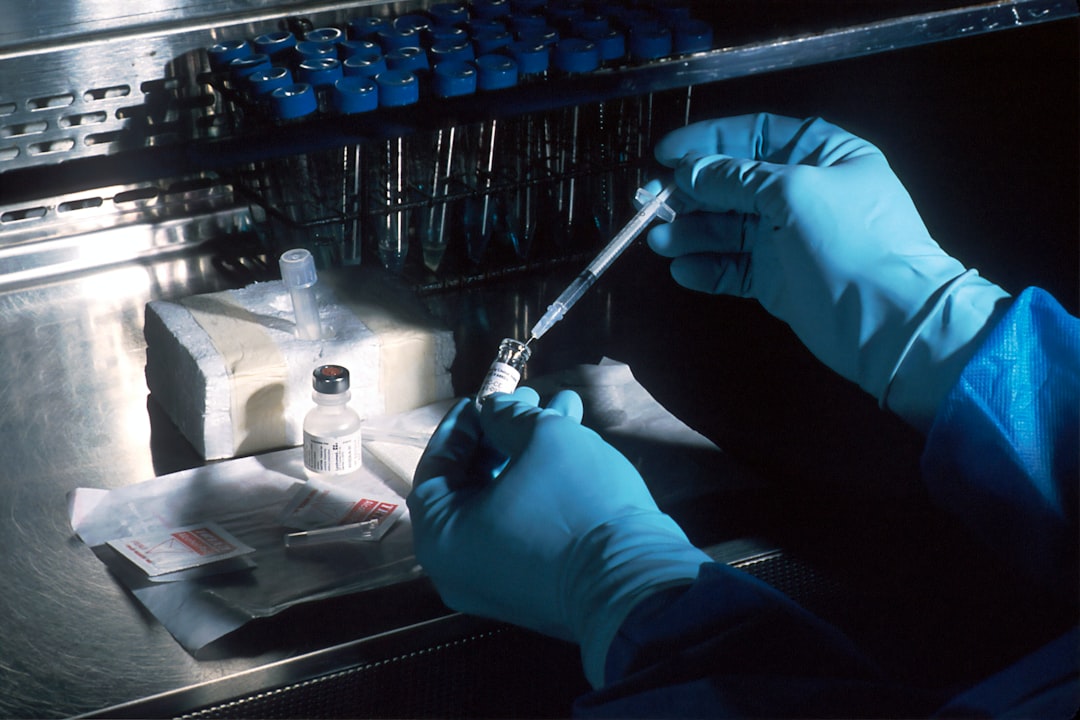
Traditional forensic science is rooted in biology, chemistry, and physical evidence analysis. Professionals in this field examine DNA samples, fingerprints, toxicology reports, ballistics, and trace evidence such as fibers or soil. They typically work in government crime labs, hospitals, or with law enforcement agencies, processing physical evidence collected from crime scenes. The work demands precision, lab discipline, and a strong grounding in natural sciences, along with the ability to testify clearly as an expert witness in legal proceedings.
What Digital Forensics Covers
Digital forensics, by contrast, is built on computer science and cybersecurity fundamentals. Practitioners recover deleted files, trace network intrusions, analyze mobile device data, and reconstruct timelines from system logs and metadata. Instead of a microscope, their primary tools are forensic imaging software, write blockers, and data recovery suites. This field has grown rapidly alongside the rise in cybercrime, corporate data breaches, and fraud investigations, making it one of the fastest-growing specializations within both IT security and forensic science.

Key Differences Employers Look For
Recruiters hiring for these two roles screen for very different qualifications. For traditional forensic science roles, employers prioritize a background in biology, chemistry, or forensic science itself, along with lab certifications and experience handling chain-of-custody protocols for physical evidence. For digital forensics roles, employers look for IT fundamentals, networking knowledge, familiarity with operating systems at a deep level, and hands-on experience with forensic tools used to image drives and recover artifacts without altering the original evidence.
There is also a difference in where the work happens. Traditional forensic scientists are usually tied to a physical lab with specialized equipment that cannot be replicated elsewhere. Digital forensics investigators have more flexibility, since much of the analysis can be performed on a workstation, and increasingly, in cloud-based forensic environments. This flexibility is one reason digital forensics has become attractive to IT professionals looking to specialize within cybersecurity rather than starting an entirely new career from scratch.
Certification Pathways Compared
Traditional Forensic Science Certifications
Entry into traditional forensic science typically starts with a bachelor's degree in forensic science, chemistry, or biology, followed by specialized certifications in areas like crime scene investigation, forensic toxicology, or latent print examination. These certifications often require supervised casework hours and board examinations administered by recognized forensic science accreditation bodies. The path is rigorous and science-heavy, with a strong emphasis on courtroom-admissible methodology.
Digital Forensics Certifications
Digital forensics offers a faster, more accessible entry point for IT professionals. Industry-recognized certifications focus on practical skills such as evidence acquisition, file system analysis, mobile forensics, and incident response. Unlike traditional forensic science, candidates do not need a science degree to start; a background in IT support, system administration, or cybersecurity is often sufficient to begin training. This makes digital forensics a popular upskilling choice for professionals already working in technology who want to move into investigative or compliance-focused roles.
Career Opportunities and Salary Outlook
Both fields offer strong long-term career stability, but the growth trajectories differ. Traditional forensic science roles are concentrated in government crime labs, medical examiner offices, and law enforcement agencies, where hiring is steady but tied to public sector budgets. Digital forensics, on the other hand, is in demand across both the public and private sectors, including banks, insurance companies, law firms, and corporations that need internal investigators for fraud, data breaches, and employee misconduct cases.
Because digital forensics overlaps heavily with cybersecurity, professionals in this space often command higher starting salaries and have more opportunities to move into adjacent roles such as incident response, security operations, or compliance auditing. Traditional forensic scientists, while starting at a lower pay scale in many regions, benefit from clear, structured career progression within government forensic departments and academic research positions.
Which Path Should You Choose?
The right choice depends on your existing background and where you want your career to go. If you already have a degree in chemistry, biology, or a related science and enjoy meticulous lab work, traditional forensic science certification builds directly on that foundation. If you come from an IT, networking, or cybersecurity background and are drawn to investigating breaches, fraud, and cybercrime, digital forensics will feel like a natural extension of skills you already have.
It is also worth noting that these paths are not mutually exclusive. Many experienced forensic professionals eventually add digital forensics certification to their existing physical evidence expertise, since modern criminal and corporate cases frequently involve both physical and digital evidence. A fraud investigation might require analyzing financial documents alongside email records and server logs, making professionals who are certified in both areas significantly more valuable to employers.
How ProgNXT Can Help You Get Certified
ProgNXT offers structured, instructor-led training programs designed for working professionals who want to build credible expertise in forensic science and digital investigation without pausing their careers. Our courses are available in both classroom and online formats, allowing professionals across the world to train on a schedule that fits around existing work commitments. Whether you are starting fresh in digital forensics or expanding your traditional forensic science credentials, ProgNXT's training programs are built around practical, job-ready skills that align with what employers are actively hiring for.
Choosing between digital forensics and traditional forensic science ultimately comes down to your existing strengths and the type of evidence you want to work with daily. Both fields offer meaningful, in-demand careers that combine investigative thinking with technical precision. By identifying your starting point and selecting the right certification path, you can position yourself for long-term growth in one of the most intellectually rewarding corners of professional training available today.