
Digital Forensics Career Guide: Top Certifications to Launch Your Forensic Science Career in 2026
Every 39 seconds, a cyberattack occurs somewhere in the world. As organizations, governments, and law enforcement agencies scramble to respond, one profession sits at the critical intersection of technology and justice: digital forensics. If you have ever been curious about how investigators recover deleted files, trace ransomware back to its source, or build court-admissible evidence from a hard drive, then a career in forensic science — specifically digital forensics — may be the professional path you have been looking for.
In 2026, digital forensics is not just a niche specialty. It is a high-demand, high-reward discipline that spans corporate investigations, government intelligence, law enforcement, and cybersecurity incident response. This guide will walk you through everything you need to know: what digital forensics actually involves, which certifications carry the most weight with employers, how it differs from cybersecurity, and how structured training can fast-track your entry into the field.
What Is Digital Forensics and Why Does It Matter?
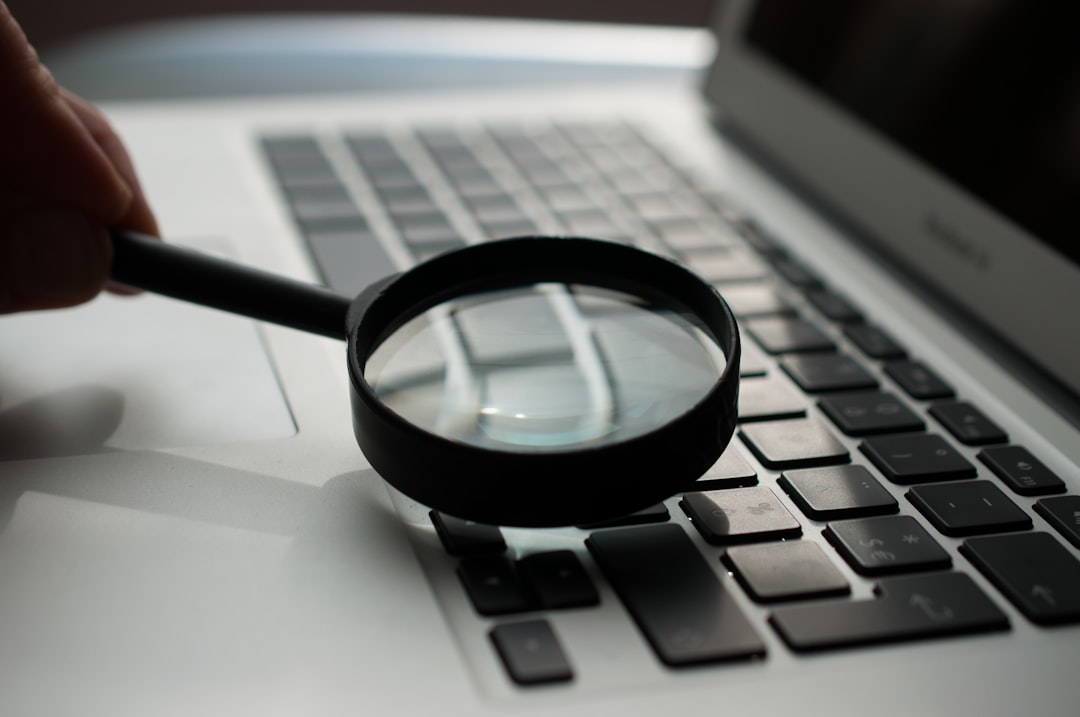
Digital forensics is the scientific process of identifying, collecting, preserving, analyzing, and presenting electronic evidence in a legally sound manner. Practitioners work with everything from smartphones and laptops to cloud storage, network logs, IoT devices, and encrypted communications. The goal is always the same: to reconstruct what happened, prove it with verifiable evidence, and present findings in a way that holds up under legal scrutiny.
The discipline matters because digital evidence is now central to virtually every type of investigation — from corporate fraud and insider threats to terrorism, child exploitation, and organized cybercrime. Courts increasingly rely on digital forensic experts as both investigators and expert witnesses. Without properly trained professionals, critical evidence is mishandled, contaminated, or thrown out entirely, allowing guilty parties to escape accountability.
Beyond law enforcement, enterprises rely on digital forensics teams to investigate data breaches, respond to ransomware incidents, conduct internal HR investigations, and satisfy regulatory audit requirements. It is a field where technical precision, analytical thinking, and legal awareness must all operate in harmony.
The Growing Demand for Digital Forensics Professionals in 2026
The global digital forensics market was valued at over USD 9 billion in 2024 and is projected to grow at a CAGR of more than 13% through 2030. This expansion is being driven by a surge in cybercrime, increasing regulatory scrutiny of data handling practices, and the rapid proliferation of connected devices that can serve as evidence sources.
Employers actively hiring digital forensics professionals include federal agencies such as the FBI, Interpol, and national cybercrime units; major consulting firms like Deloitte, PwC, and KPMG; financial institutions conducting fraud investigations; healthcare organizations managing data breach responses; and technology companies protecting intellectual property. The talent gap in this field remains significant, meaning certified professionals command strong salaries and exceptional job security.
Core Skills Every Digital Forensics Professional Must Have
Technical Skills
A solid technical foundation is non-negotiable in digital forensics. You will need proficiency in operating systems — particularly Windows, Linux, and macOS — since understanding how each OS stores, manages, and deletes data is fundamental to evidence recovery. Familiarity with file systems (NTFS, FAT32, ext4, APFS), disk imaging tools, and forensic software platforms such as EnCase, FTK (Forensic Toolkit), Autopsy, and Cellebrite is essential. Network forensics requires knowledge of packet analysis tools like Wireshark, log analysis, and an understanding of TCP/IP protocols. Mobile forensics is a growing subspecialty demanding expertise in extracting and interpreting data from iOS and Android devices.
Analytical and Investigative Skills
Beyond the technical toolkit, effective forensic professionals think like investigators. They approach evidence with skepticism, document every step of the chain of custody meticulously, and maintain strict objectivity even under pressure to reach a particular conclusion. Strong report-writing skills are critical — your findings must be communicated clearly to attorneys, judges, executives, and juries who may have no technical background. Attention to detail, structured problem-solving, and the ability to work methodically under tight deadlines are the soft skills that separate good forensic analysts from exceptional ones.
Top Digital Forensics Certifications for 2026
Certifications serve as the primary signal to employers that you possess both the knowledge and the discipline to handle sensitive forensic work professionally. Here are the most respected credentials in the field today.
1. CHFI – Computer Hacking Forensic Investigator (EC-Council)
The CHFI is one of the most globally recognized certifications in digital forensics and is a natural starting point for many professionals transitioning into the field. Offered by EC-Council, the same body behind the CEH, the CHFI curriculum covers forensic investigation techniques, evidence acquisition, anti-forensics countermeasures, cloud forensics, malware forensics, and database forensics. It is vendor-neutral and respected by both law enforcement and corporate employers. Prerequisites are flexible, but familiarity with networking and operating systems is strongly recommended before sitting the exam.
2. EnCE – EnCase Certified Examiner (OpenText)
The EnCE is a vendor-specific certification tied to OpenText's EnCase platform, which remains the gold standard forensic software in law enforcement agencies worldwide. Earning an EnCE signals mastery of the EnCase environment and a thorough understanding of forensic investigation methodology. It is particularly valuable for professionals targeting government or law enforcement roles where EnCase is the primary tool. Candidates must document a minimum number of hours of forensic investigation experience before sitting the exam, making it a more senior-level credential.
3. GCFE – GIAC Certified Forensic Examiner
Offered by the SANS Institute through its GIAC certification arm, the GCFE focuses on Windows forensics — a critical specialty given the dominance of Windows in enterprise environments. The certification covers browser forensics, email analysis, file system timelines, and Windows artifact analysis. GIAC certifications are consistently ranked among the most rigorous and technically demanding in the cybersecurity and forensics space, making the GCFE a strong differentiator for candidates targeting high-level corporate or consulting roles.
4. CCE – Certified Computer Examiner (ISFCE)
The CCE, administered by the International Society of Forensic Computer Examiners, is a vendor-neutral credential with a strong emphasis on ethical conduct and procedural integrity. It requires candidates to pass both a written examination and a practical hands-on test, ensuring that certified examiners can perform real-world forensic work — not just answer theoretical questions. The CCE is well-regarded in legal contexts and is frequently cited as a qualification in expert witness engagements.
5. CEH – Certified Ethical Hacker (EC-Council)
While not strictly a forensics credential, the CEH rounds out a forensic professional's skill set by providing a deep understanding of attacker techniques and methodologies. Knowing how cybercriminals think, operate, and cover their tracks is invaluable when you are the one reconstructing those activities after the fact. Many employers in the digital forensics space view CEH as a complementary credential to CHFI, and some professionals pursue both in sequence.
Digital Forensics vs. Cybersecurity: Understanding the Difference
A common point of confusion for career changers is the relationship between digital forensics and cybersecurity. While both fields deal with digital threats, their orientations are fundamentally different. Cybersecurity is proactive and preventive — it is about building walls, monitoring perimeters, patching vulnerabilities, and stopping attacks before they cause harm. Digital forensics is reactive and investigative — it begins after an incident has occurred and focuses on answering the questions: What happened? How did it happen? Who is responsible? What evidence exists?
In practice, the two disciplines increasingly overlap. Incident response teams often include forensic specialists who begin evidence collection the moment a breach is detected, preserving volatile memory and network logs that would otherwise be lost. Understanding the cybersecurity landscape makes forensic analysts more effective, and many professionals maintain certifications in both domains to maximize their career versatility and earning potential.

Career Paths in Digital Forensics
Digital forensics offers a diverse range of career trajectories depending on your interests and background. Entry-level roles typically include titles like Digital Forensics Analyst, Junior Incident Responder, or Evidence Technician, where you will assist senior examiners with evidence processing and documentation. Mid-level professionals often specialize in areas such as mobile forensics, network forensics, or malware analysis, commanding salaries in the range of USD 75,000 to USD 110,000 annually in most markets. Senior forensic investigators and forensic consultants — particularly those with expert witness experience — can earn significantly more, especially in private consulting or government intelligence roles.
Law enforcement pathways include roles with national cybercrime units, military intelligence divisions, and international agencies. Corporate pathways include positions within financial institutions, healthcare organizations, law firms, and the Big Four consulting firms. The breadth of industries hiring forensic professionals means that once you are certified, you have genuine flexibility about where and how you build your career.
How to Choose the Right Digital Forensics Training Program
Not all training programs are created equal, and in a field where procedural rigor is everything, the quality of your foundational education matters enormously. When evaluating a forensic science training program, look for the following key attributes. First, ensure the curriculum is aligned with current industry certifications — ideally CHFI, EnCE, or GCFE — so that your training directly prepares you for the exams that employers recognize. Second, prioritize programs that offer substantial hands-on lab components. Reading about disk imaging is not the same as performing it under supervised conditions with real forensic tools. Third, check whether instructors hold active industry credentials and have real-world investigation experience, not just academic backgrounds. Finally, consider whether the program offers post-training support such as exam vouchers, practice environments, or career placement assistance.
Classroom-based training remains highly valuable in forensic science because the hands-on component is difficult to replicate in purely self-paced formats. That said, blended learning options — combining instructor-led sessions with online labs — offer a practical compromise for working professionals who cannot take extended time away from their current roles.
How ProgNXT Prepares You for a Forensic Science Career
At ProgNXT, our Forensic Science training programs are designed for working professionals who are serious about transitioning into or advancing within the digital forensics field. Our courses are taught by practitioners with real-world investigation experience, cover all major certification exam objectives, and include extensive hands-on lab work using industry-standard tools. Whether you are pursuing your first CHFI certification or looking to deepen your specialization in mobile or cloud forensics, ProgNXT offers structured pathways that fit your schedule and career goals. Both classroom and online delivery options are available, with cohorts running year-round across our global training centers.
Conclusion
Digital forensics is no longer a behind-the-scenes specialty — it is a frontline discipline that shapes the outcome of criminal prosecutions, corporate investigations, and national security operations. The demand for certified professionals is growing faster than the talent pipeline can currently supply, which means that for motivated individuals willing to invest in the right training and certifications, the career opportunities in 2026 are genuinely exceptional. Whether your background is in IT, law enforcement, law, or a completely different field, a structured forensic science training program is your most direct path to entering this rewarding and impactful profession. Start with a recognized certification, build your hands-on skills, and position yourself at the forefront of one of the most important disciplines in the modern digital economy.